
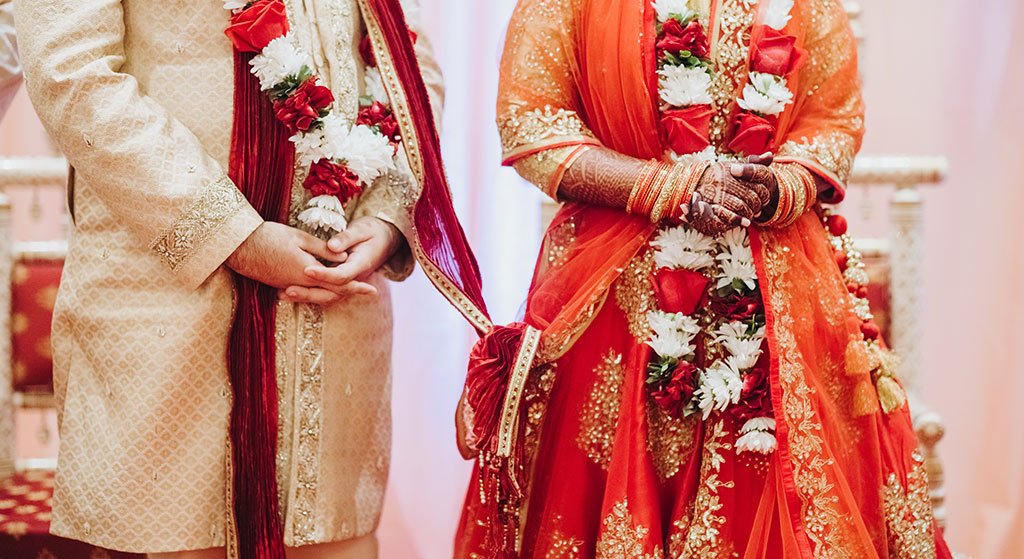
Planning an Indian Hindu wedding in the UK means planning multiple events, managing a guest list that can run into the hundreds, and navigating costs that stack up faster than most couples expect.
This guide gives you real numbers for 2026. Not vague ranges designed to cover every possibility, but the actual figures that couples across the UK are working with right now. You will find breakdowns by ceremony, by city, and by guest size, along with an honest look at where money gets wasted and where it is genuinely worth spending.
What Does an Indian Hindu Wedding in the UK Actually Cost?
A three to four event Indian Hindu wedding for 250 to 300 guests in the UK typically costs between £45,000 and £90,000 in 2026. London pushes that figure significantly higher. Cities like Leicester, Birmingham and Bradford bring it down.
The reason the range is so wide is not extravagance. It is scale and geography. Indian Hindu weddings involve multiple separate events, each with their own venue costs, catering bills, outfits, décor and suppliers. When you factor that in, the numbers start to make sense.
| Guest Count | Budget Wedding | Mid-Range | Premium |
| 150 guests | £25,000 to £40,000 | £40,000 to £58,000 | £65,000+ |
| 250 guests | £42,000 to £60,000 | £60,000 to £80,000 | £95,000+ |
| 400 guests | £65,000 to £90,000 | £90,000 to £125,000 | £150,000+ |
Planning a Pakistani wedding instead? See our Pakistani wedding cost guide for the full breakdown.
Cost by City (2026)
Where you hold your wedding has a bigger impact on cost than almost any other single decision. A venue in London can cost two to three times more than an equivalent venue in Leicester or Bradford. If your family is spread across multiple cities, it is worth seriously doing the maths before you commit to a location.
| City / Region | Typical Cost (250 guests, 3 to 4 events) |
| London | £65,000 to £110,000+ |
| Birmingham | £45,000 to £75,000 |
| Leicester | £38,000 to £65,000 |
| Manchester | £42,000 to £70,000 |
| Bradford / Leeds | £35,000 to £58,000 |
| Glasgow / Edinburgh | £40,000 to £65,000 |
Cities with large South Asian supplier networks like Leicester and Birmingham tend to produce better package deals. London venues charge a premium that goes well beyond the venue itself and extends to catering minimums, staffing, and parking.
Event by Event Breakdown
This is where most guides fail Indian Hindu couples. They give you a single total figure without breaking down what each event actually costs. Every event has its own cost profile and you need to understand each one separately.
1. Roka / Engagement Ceremony
The Roka is the formal family meeting that marks the beginning of the wedding journey. It is usually the most intimate and lowest-cost event of the whole wedding. Typical cost range: £1,500 to £5,000
| Element | Cost Range |
| Venue or home garden setup | £0 to £1,500 |
| Catering for 50 to 80 people | £800 to £2,500 |
| Florals and décor | £300 to £800 |
| Outfits and basic photography | £400 to £1,200 |
Families who host this at home with home-cooked food can run the Roka for under £1,000. Those who move it to a restaurant or private venue with a caterer are typically spending £3,000 to £5,000 without trying.
2. Mehendi Night
The Mehendi has changed dramatically over the past five years. What was once an informal evening at home is now often a full production with a venue, stage, professional lighting, entertainment, and catering. Costs have risen sharply as a result. Typical cost range: £5,000 to £14,000
| Element | Cost Range |
| Venue hire | £1,500 to £4,000 |
| Catering (per head £18 to £30) | £2,000 to £5,000 |
| Mehendi artists (bridal and guests) | £400 to £1,200 |
| Décor, florals and lighting | £1,000 to £3,000 |
| Entertainment (dhol, DJ or singer) | £400 to £1,000 |
The biggest cost pressure on Mehendi events right now is décor. LED backdrops, neon signs, floral arches and custom dessert stations are being driven almost entirely by what couples see on social media. Most of it photographs well and adds very little to the actual experience for guests in the room. Think carefully about where this money is actually going.
3. Sangeet
The Sangeet is the night for music, dance, family performances and celebration before the main ceremony. It is usually the most entertainment-heavy event of the week and one that requires serious planning. Typical cost range: £10,000 to £25,000
| Element | Cost Range |
| Venue hire | £4,000 to £10,000 |
| Stage and lighting production | £2,000 to £5,000 |
| Entertainment (live singers, DJ, host) | £1,000 to £4,000 |
| Food and drink | £3,000 to £8,000 |
| Décor | £1,500 to £3,500 |
Planning tip: If your Mehendi and Sangeet are scheduled close together, reusing the same core décor with lighting changes between events can save around 20% of total décor spend. Some couples now combine both into a single extended evening to reduce costs even further.
4. Hindu Wedding Ceremony (Mandap)
The main Hindu ceremony is the sacred centrepiece of the wedding. It involves the Mandap setup, the priest, fire rituals, the Saat Phere, and all the elements that make a Hindu wedding what it is. This is also where the biggest individual costs sit. Typical cost range: £25,000 to £50,000
| Category | Typical Range (2026) | Notes |
| Venue hire (hall, hotel or temple) | £4,000 to £12,000 | Varies significantly by city |
| Mandap décor and florals | £4,000 to £9,000 | Higher costs in London venues |
| Catering (per head £35 to £90+) | £8,000 to £20,000 | Depends on menu and service style |
| Bridal outfit and jewellery | £3,500 to £8,000+ | Includes accessories |
| Groom’s sherwani or suit | £600 to £2,000 | |
| Photography and videography | £2,500 to £6,000 | Often booked across full wedding week |
| Bridal makeup and hair | £600 to £1,500 | |
| Pandit / priest fees | £500 to £1,500 | Varies by ceremony length and region |
| Transport, parking, misc | £400 to £1,000 |
Catering is the line item that catches the most couples off guard. At 300 guests and £50 per head that is £15,000 just for the food and service at one event. Add VAT if the caterer is VAT registered and you are looking at £18,000 before a single flower has been ordered.
The Mandap is also the area where overspending is most common. Elaborate floral structures that guests walk past once and never see again, custom stage builds that are dismantled after the ceremony, bespoke backdrops for the wedding photos. All of it looks beautiful. Most of it is not necessary.
5. Reception
This is where most planning guides fall apart. They treat an Asian wedding as one event. It is not.
The events overview table is in the widget above.
Not every couple will have all of these. Pakistani weddings typically run Dholki, Mehndi, Baraat and Walima. Sikh weddings centre around the Anand Karaj. Hindu weddings often include a Sangeet. Understand which events your family expects before you start budgeting, not halfway through.
Managing the Guest List: The Conversation Nobody Wants to Have
The reception is the final celebration and for many Indian Hindu families it carries just as much weight as the ceremony itself. It is where the wider circle of friends, colleagues and community get to celebrate with you. Typical cost range: £20,000 to £45,000
| Category | Typical Spend |
| Venue and décor | £8,000 to £16,000 |
| Catering and drinks | £8,000 to £18,000 |
| Entertainment and lighting | £2,000 to £6,000 |
| Outfits (bride and groom) | £2,000 to £5,000 |
| Photography and videography add-ons | £1,000 to £2,500 |
Daytime brunch receptions are increasingly popular as a way to cut costs without sacrificing atmosphere. They reduce bar costs, often attract better day-rate venue pricing, and feel fresh compared to the standard evening format.
Full Sample Budget: 280 Guest Hindu Wedding in Birmingham (2026)
| Event | Estimated Spend |
| Roka (at home) | £2,000 |
| Mehendi (venue) | £9,000 |
| Sangeet | £16,000 |
| Hindu Ceremony (Mandap) | £32,000 |
| Reception | £25,000 |
| Subtotal | £84,000 |
| Contingency (10%) | £8,400 |
| Total | £92,400 |
| Category | Amount |
| Venue across all events | £16,000 |
| Catering across all events | £22,000 |
| Outfits and jewellery | £10,000 |
| Décor and lighting | £12,000 |
| Photography and videography | £5,500 |
| Makeup, mehendi artists, pandit | £3,500 |
| Entertainment | £3,000 |
| Admin, transport, misc | £4,000 |
| Contingency | £8,400 |
This is a realistic mid-range figure for Birmingham in 2026. Not extravagant. Not cheap either. The couple in this example saved around £14,000 by holding the Roka at home, combining Mehendi and Sangeet décor, and using a local caterer rather than one from London.
The Hidden Costs That Push Budgets Over
Even well-organised couples get caught out by costs they did not see coming. These are the most common ones.
- VAT is one of the hidden costs that catches most couples off guard. Many premium caterers, decorators and photographers are VAT registered that is 20% added on top of a quote that already felt expensive.”
- Supplier overtime. Your photographer contract ends at 9pm. The rukhsati runs late and you want them to stay. That extra time costs between £150 and £400 per hour depending on the supplier and the contract.
- Venue overtime and curfew charges. Some venues charge hourly after a set time. Others have hard noise curfews that cannot be extended at any price. Ask about this before you sign anything.
- Meals for suppliers. Photographers, videographers, makeup artists and coordinators working a 10 to 12 hour day need feeding. Some contracts include this, many do not. Budget £15 to £25 per head.
- Catering minimums. Caterers often price per head but bill to a guaranteed minimum. If 280 guests are expected but 250 show up, you may still pay for 280.
- Outfit alterations. Bridal outfits rarely fit perfectly. Alterations on embroidered or structured pieces can add £200 to £700 on top of the purchase price.
- Pandit travel and accommodation. If your priest is travelling from outside your city, travel costs and accommodation are often passed on. Confirm this upfront.
- Last minute additions. Someone always wants one more table, one more element, one more decoration. Budget 10 to 15% above your estimate as a genuine contingency.
What Is Actually Worth Spending On
Food
Indian wedding guests remember the food above almost everything else. A poor catering experience at a 300 person wedding will be talked about for years. This is not the area to cut aggressively. One underspend here does more damage to how the day is remembered than almost anything else.
Photography and Videography
You will look at these for the rest of your life. A cheaper photographer who misses the Mandap moments, the Saat Phere or the bridal entrance cannot undo that. Book someone whose full wedding work you have seen, not just their curated Instagram highlight reel.
Bridal Makeup
Long days across multiple events in variable lighting conditions are demanding. A makeup artist without serious experience of South Asian weddings will not last the distance. The cost difference between a good artist and a great one is rarely as large as people assume.
The Priest and Ceremony
A pandit who knows their ceremony, keeps it moving, and explains the rituals in a way that includes guests who are not Hindu transforms the ceremony experience. This is not where to look for savings.
Where Couples Consistently Overspend
- Printed invitations. Most go straight into a drawer or a bin. Digital invitations do the same job for almost nothing.
- Elaborate favours. Guests leave them behind at a rate that should put anyone off spending seriously on them. Budget £1 to £2 per head maximum or skip them entirely.
- Floral installations built for photos. A £5,000 flower wall that features in fifteen photographs and is dismantled two hours into the event is not good value.
- A separate outfit for every single event. There is no cultural requirement that the bride needs a completely new designer outfit for every function. A second look for the reception does not need to cost as much as the ceremony lehenga.
- Table centrepieces that go above eye level. Towering centrepieces that guests cannot see over cost as much as ones they can actually enjoy. Spend the money somewhere it has more impact.
6 Ways to Reduce Costs Without It Showing
1. Keep the Roka at Home
It is more intimate, more personal and significantly cheaper. Guests genuinely prefer the warmth of a home environment for this type of event. Save the venue spend for the events that actually need it.
2. Book Off-Peak Dates
Venues in November through February regularly offer 20 to 30% reductions on Saturday rates. A winter Hindu wedding with good lighting looks as stunning as a summer one. Nobody in the room knows you saved £5,000 on the venue booking.
3. Combine Mehendi and Sangeet
Many families now run these as a single extended evening rather than two separate events across two nights. You lose nothing culturally and save substantially on venue, catering, and entertainment costs.
4. Use a Local Supplier Base
Bringing a photographer or decorator from London to Birmingham adds travel, accommodation and a day rate premium. Build your supplier list within a 30 to 40 minute radius of your venue wherever possible.
5. Reuse Décor Across Events
The same colour palette, the same florals repositioned, the same backdrops relit differently. A good decorator can make two events look completely distinct using much of the same inventory. Ask them directly what can carry across.
6. Use the Budget Planner Before You Commit to Anything
The biggest financial mistakes in wedding planning happen in the first six weeks, when couples are excited and booking suppliers before they have a clear picture of total cost. Use our Asian Wedding Budget Planner to map your full spend across all events before you pay a single deposit.
Planning Timeline for an Indian Hindu Wedding
| Timeframe | Key Actions |
| 12 to 18 months out | Book venues for ceremony and reception, shortlist photographer and videographer |
| 9 to 12 months out | Confirm caterer, begin bridal outfit shopping, book pandit |
| 6 to 9 months out | Book DJ, dhol players, makeup artist, mehendi artist, entertainment |
| 4 to 6 months out | Finalise guest list, send invitations, confirm décor supplier and Mandap design |
| 2 to 3 months out | Final outfit fittings, confirm all supplier schedules and contracts |
| 4 to 6 weeks out | Share detailed day timeline with all suppliers, confirm final guest numbers |
| 1 week out | Final headcount to caterer, final payments, confirm all logistics |
For a more detailed version you can customise by event and filter by ceremony type, use our Asian Wedding Timeline Planner.
Managing the Guest List
Indian Hindu weddings have large guest lists. That is cultural reality and family expectation, not excess. The challenge is that every person added to the guest list has a direct financial consequence across catering, seating, invitations and sometimes venue capacity.
A guest list that grows from 250 to 320 between initial planning and the wedding day can add £6,000 to £10,000 to your catering bill alone across multiple events. That number deserves to be taken seriously.
Use our Asian Wedding Guest List Manager to track numbers across all events, manage RSVPs, note dietary requirements, and share accurate headcounts with your caterer in real time.
The Honest Bottom Line
The cost of an Indian Hindu wedding in the UK in 2026 is real, significant and entirely manageable if you plan properly and make deliberate decisions early.
The couples who stay in control are not the ones with the biggest budgets. They are the ones who understood their numbers before they started booking, made conscious choices about where to spend and where to save, and stopped adding things to the list simply because someone expected it.
Start with a clear total budget. Map it across your events. Decide what matters most to you and your families. Then plan backwards from that.


